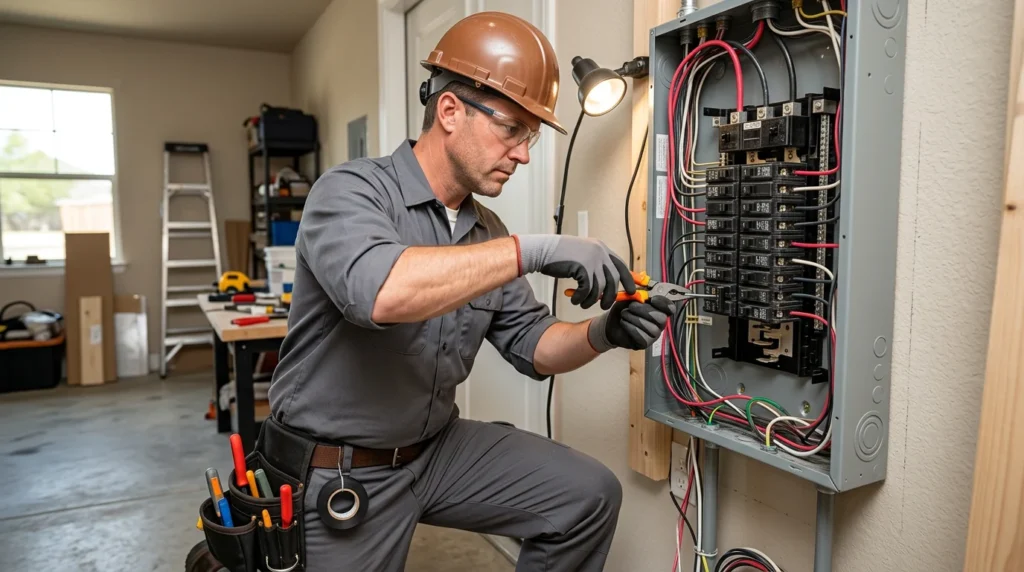
Quick answer: Choose an electrician in Bulverde, TX by confirming they’re licensed and insured, clearly describing the scope in writing, and asking how they’ll handle permits and inspections when required. Look for strong communication, a transparent diagnostic approach, and a plan to protect your home (power shutdowns, labeling, cleanup). Avoid anyone who dismisses safety concerns, offers vague pricing, or won’t explain what they’re fixing and why.
What to Check Before You Schedule
Start with basics that protect you: verify the electrician is properly licensed for Texas work, carries insurance, and can pull permits if the job requires one. A reputable pro will also explain what parts of your system they’ll touch—service panel, feeders, branch circuits, grounding, or specific devices—and what will be shut off during the work.
When you contact an electrician bulverde tx, ask for a written scope that matches your goal (for example, “replace two outdoor GFCI receptacles and weatherproof covers,” not just “fix outlets”). Clear scope reduces surprise add-ons and helps you compare bids fairly.
Also ask how troubleshooting is billed. Many electrical problems require diagnosis first, then a repair plan. A good process sounds like: test, identify the failure point, explain options, then proceed with approval.
Bulverde Permits and Inspections: What to Ask
Permits and inspections are a code-compliance step for many bigger electrical changes, and requirements can vary by your local AHJ (the authority having jurisdiction). In the Bulverde area, it’s smart to ask up front whether your specific project needs a permit and inspection, and who will handle the paperwork.
Common examples that often trigger permitting include service upgrades, panel replacements, adding new circuits, installing an EV charger, wiring a hot tub or pool equipment, and some generator connections. Even if a permit isn’t required for a smaller repair, the work still needs to meet applicable code and manufacturer instructions.
Ask how inspections are scheduled and what happens if an inspector requests changes. A straightforward answer should include who will be present, what access is needed (panel, attic, exterior meter area), and whether the electrician will return to address corrections if they’re required.
Screening Checklist You Can Copy/Paste
Copy/paste this into an email or text when you’re requesting a quote:
“Can you confirm: (1) your Texas electrical license status and that you’re insured; (2) whether you will pull permits if needed and how inspections are scheduled; (3) a written scope of work and what’s excluded; (4) how diagnosis is billed vs repair (diagnostic fee/approval process); (5) safety steps you’ll use (power verification with a meter, lockout/tagout or other controls, protecting the home during shutdowns); (6) what deliverables I’ll receive (invoice with parts/work listed, test results if applicable, and any recommended follow-ups).”
That message keeps the conversation concrete and makes it easier to compare answers from different electricians.
Code and Safety Must-Haves vs Optional Preferences
Some items are non-negotiable safety practices: de-energizing and verifying power is off with a proper tester before working, making splices only inside approved boxes with covers, using correctly rated breakers and conductors, maintaining proper grounding/bonding, and installing required GFCI/AFCI protection where applicable. If someone dismisses these basics or suggests bypassing protections, move on.
Other items are often preferences that improve clarity and future maintenance but aren’t always code-required in every situation. Examples include neatly labeling circuits in the panel, providing photos of inside-the-panel work, and doing a brief end-of-job walkthrough. They’re reasonable to request, but they should be framed as “nice to have” unless your local inspector or the job scope specifically requires them.
Be cautious with “quick fixes” that avoid the real cause. For example, upsizing a breaker to stop tripping can be unsafe unless the wiring and load calculation support it. Tripping usually points to overload, a short, a ground fault, or a failing device that needs proper diagnosis.
Next Step: A Phone-and-Paper Checklist Before You Approve Work
On the phone, ask: What’s your diagnostic process? Will you check for heat damage and confirm the circuit is safe before touching it? Will a permit/inspection be needed for my project, and who pulls it?
In writing, request: a scope that lists exactly what will be installed/replaced, how many devices/circuits, what materials are included, how changes are billed, and what you’ll receive at completion (itemized invoice, any test results, and recommended follow-ups). That combination keeps the job safer, clearer, and easier to verify.